From Manual to Mechanized: How Factory Material Transfer Carts Transform Logistics
2024-05-25
The Value Created by Factory Material Transfer Carts: Advantage Analysis Compared to Manual Handling
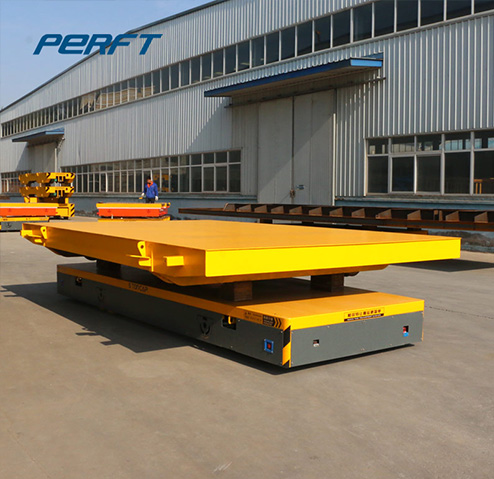
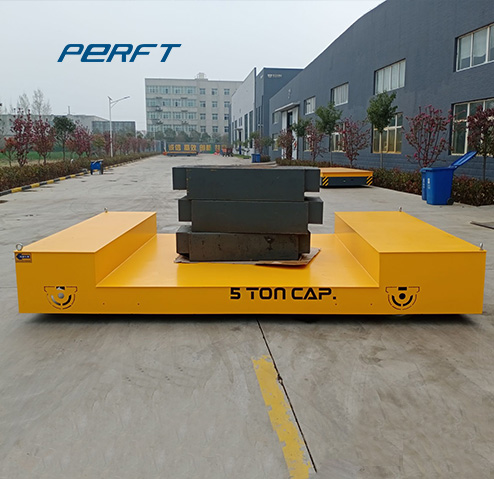
In factories without material transfer carts, heavy material handling often relies on manual labor and small tools. Taking the transportation of 5-ton steel coils as an example, manual operation usually takes more than 2 hours per trip, resulting in low efficiency. As specialized equipment for industrial logistics, material transfer carts core value lies in addressing the drawbacks of manual handling through mechanized operations, serving as a powerful assistant in factory logistics.
Material Transfer Carts advantages
I. Reduces Labor Costs
Material transfer carts typically have a load capacity ranging from 1 to 300 tons, with a 10-ton transfer cart equivalent to the combined lifting capacity of 8-12 porters. According to industry practice data, after a German metallurgical plant introduced rail-mounted transfer carts, the single transportation time for aluminum coils was reduced from 90 minutes to 15 minutes. Thanks to remote control or automatic control technology, the equipment can operate continuously for 24 hours, eliminating the need for enterprises to invest excessive labor in the transportation process.
II. Minimizes Safety Hazards
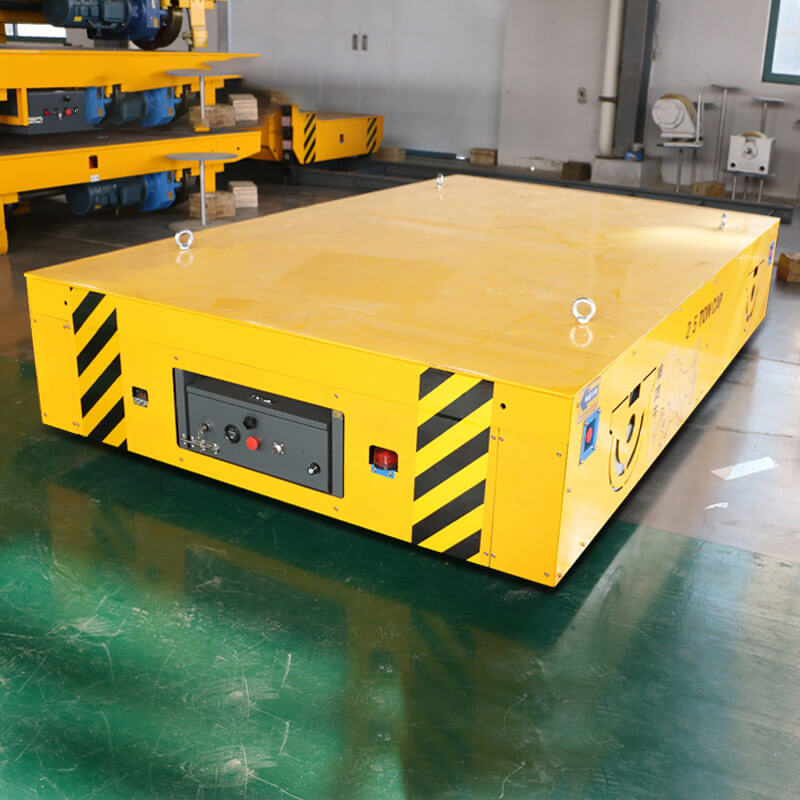
Safety risks and economic losses associated with manual heavy handling are widespread. Statistics from the U.S. Occupational Safety and Health Administration (OSHA) show that the accident rate in such factories is 3 times higher than that in factories using professional handling equipment. Material transfer carts establish a safety barrier through multiple protection systems: anti-collision laser scanners can detect obstacles within 0.5 seconds and trigger an emergency stop, independent emergency stop buttons are installed on both the vehicle body and control terminal, and anti-slip wheel brakes can lock the wheels instantly when parked. Application cases from a U.S. auto parts factory show that after introducing transfer carts, the number of work-related injuries from heavy handling dropped to zero in the first year, and the product damage rate during transportation decreased from 5% to 0.3%.
III. Ensures Stable Production and Reduces Downtime Losses
Delayed material supply is one of the main factors causing production downtime. Factories without transfer carts often experience assembly line stagnation due to delayed raw material delivery and finished product accumulation. Material transfer carts travel on fixed rails, with positioning accuracy controlled within an error margin of 5 millimeters, ensuring precise material delivery in line with production rhythms. Practice from an Italian machinery factory shows that prior to using transfer carts, it experienced 2-3 hours of daily downtime due to material delays; after introducing transfer carts for accurate material supply, the downtime issue was completely resolved, and monthly output increased by 18%.
IV. Suitable for Harsh Environments
High-temperature, corrosive, and high-dust environments in industries such as steel, casting, and chemical engineering exceed the tolerance limits of manual handling. Customized material transfer carts can be adapted to such working conditions through special designs: high-temperature resistant models can operate stably in casting workshops at 500℃, corrosion-resistant versions use acid and alkali resistant materials to handle chemical materials, and sealed electrical systems can isolate dust from affecting the equipment. Compared to manual labor that requires frequent rest and professional protective equipment, specialized transfer carts can achieve continuous and reliable operation, effectively expanding the boundaries of factory logistics operations.
V. Lowers Hidden Costs
Manual handling involves numerous hidden costs, including work-related injury compensation, product scrapping, and inefficient space utilization. Material transfer trolley can optimize costs in multiple dimensions: their compact structural design improves workshop space utilization, customizable load capacities (1-500 tons) avoid “over-transportation” or “repeated trips,” and daily maintenance only requires routine inspections of key components such as cables and brakes, significantly reducing repair costs. Industry research data shows that the average return on investment (ROI) of material transfer trolley is usually 8-12 months, much lower than the long-term comprehensive costs of manual handling.
The selection of material transfer trolley should be based on specific factory working conditions: for example, rail-mounted models are suitable for heavy steel coil transportation, battery-powered versions can be used for flexible operation scenarios, and specialized high-temperature resistant models are required for high-temperature environments.