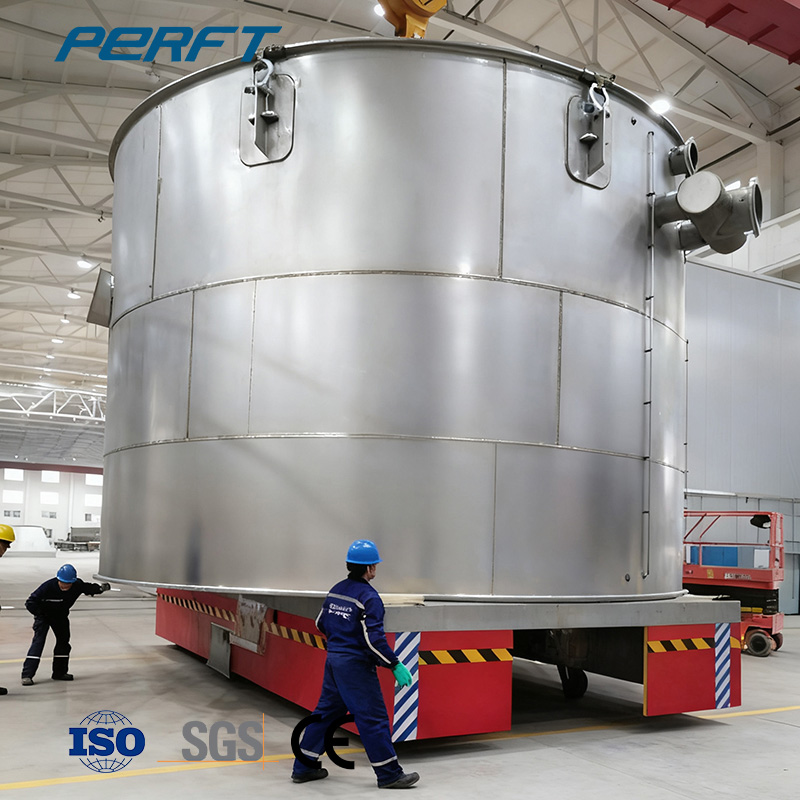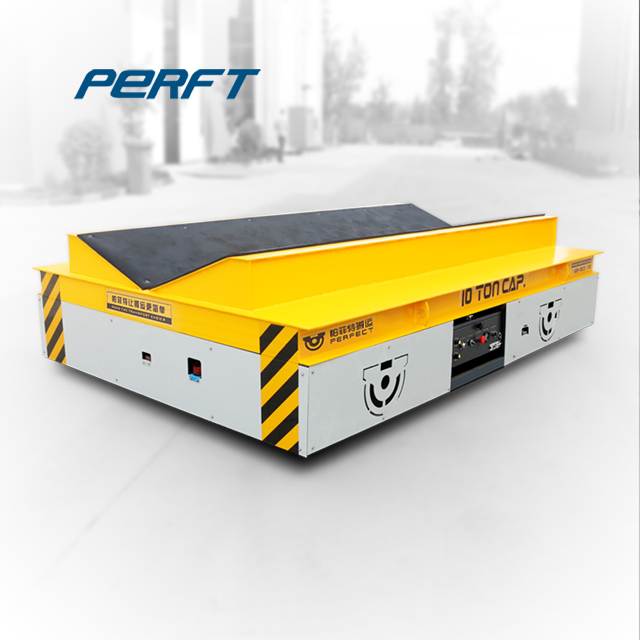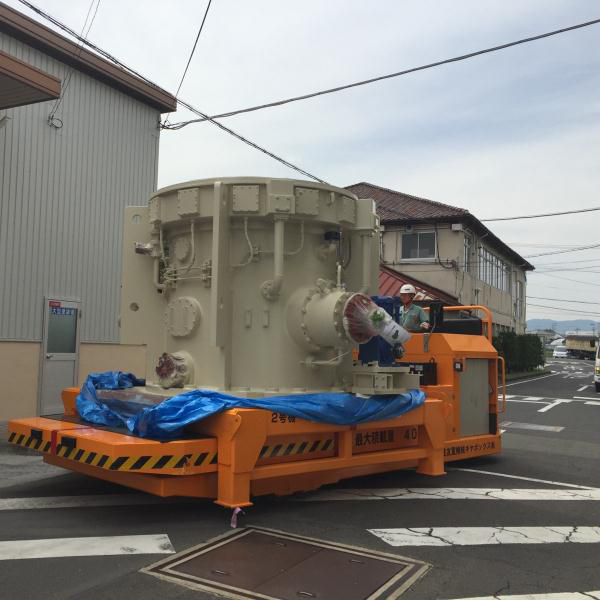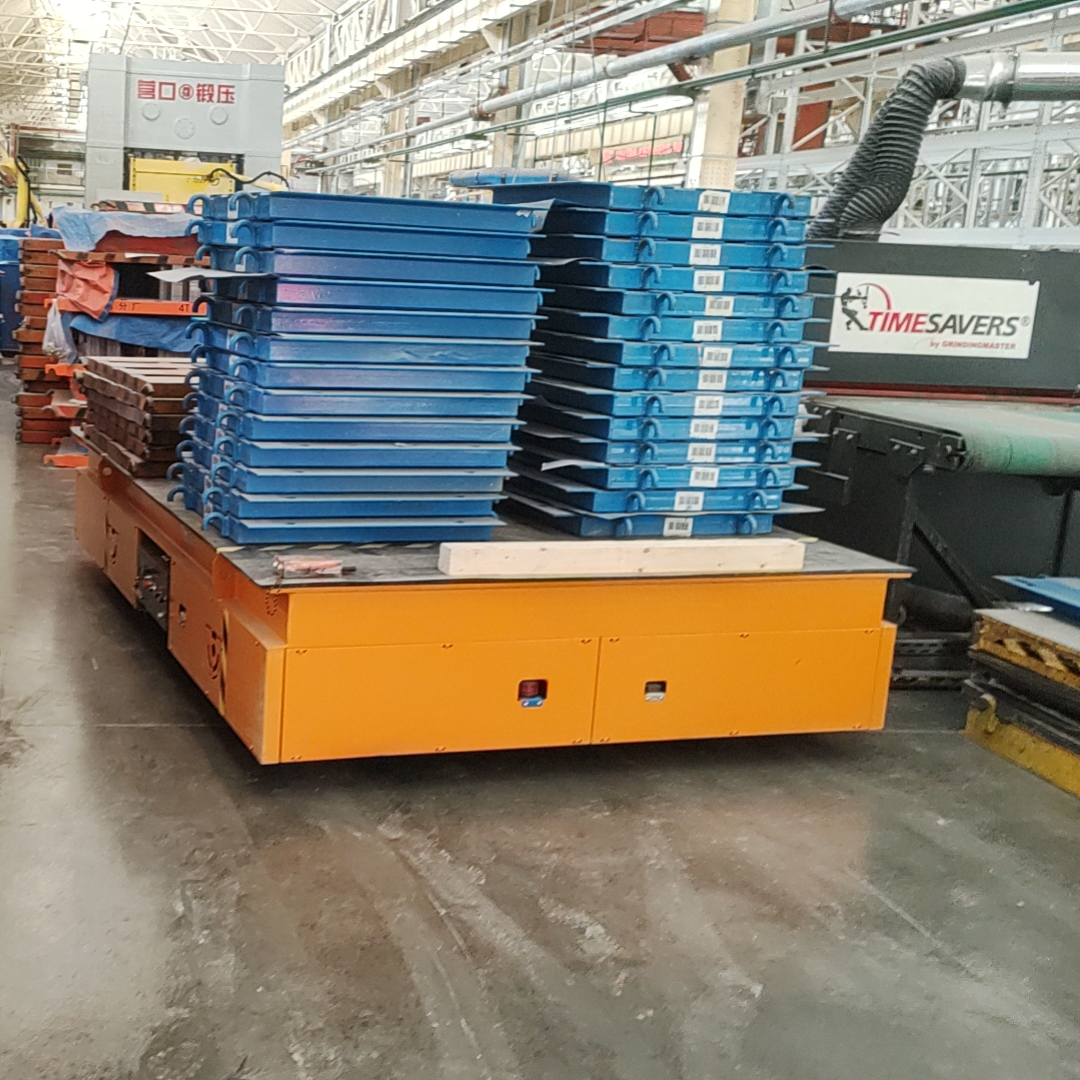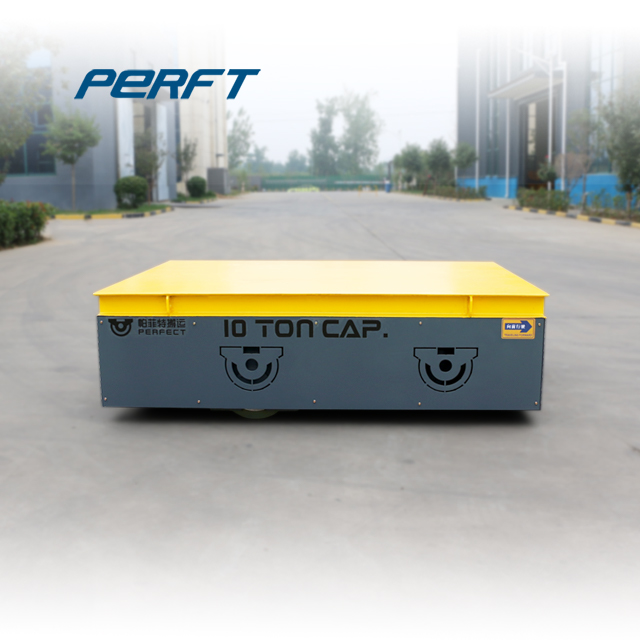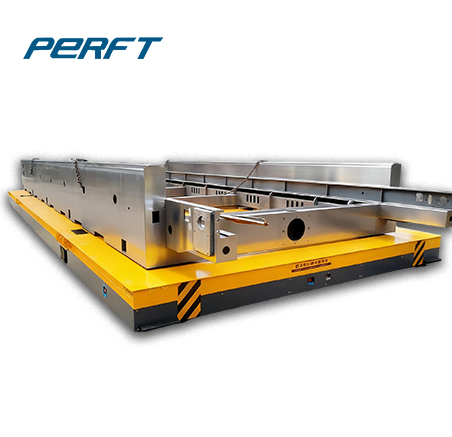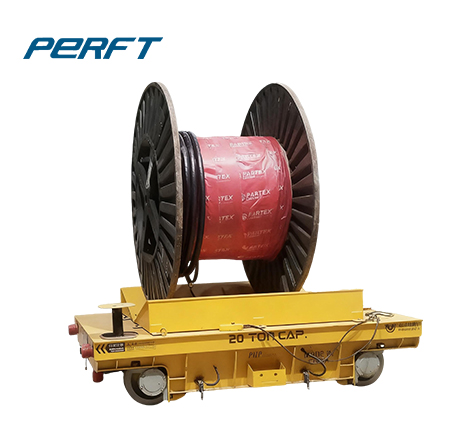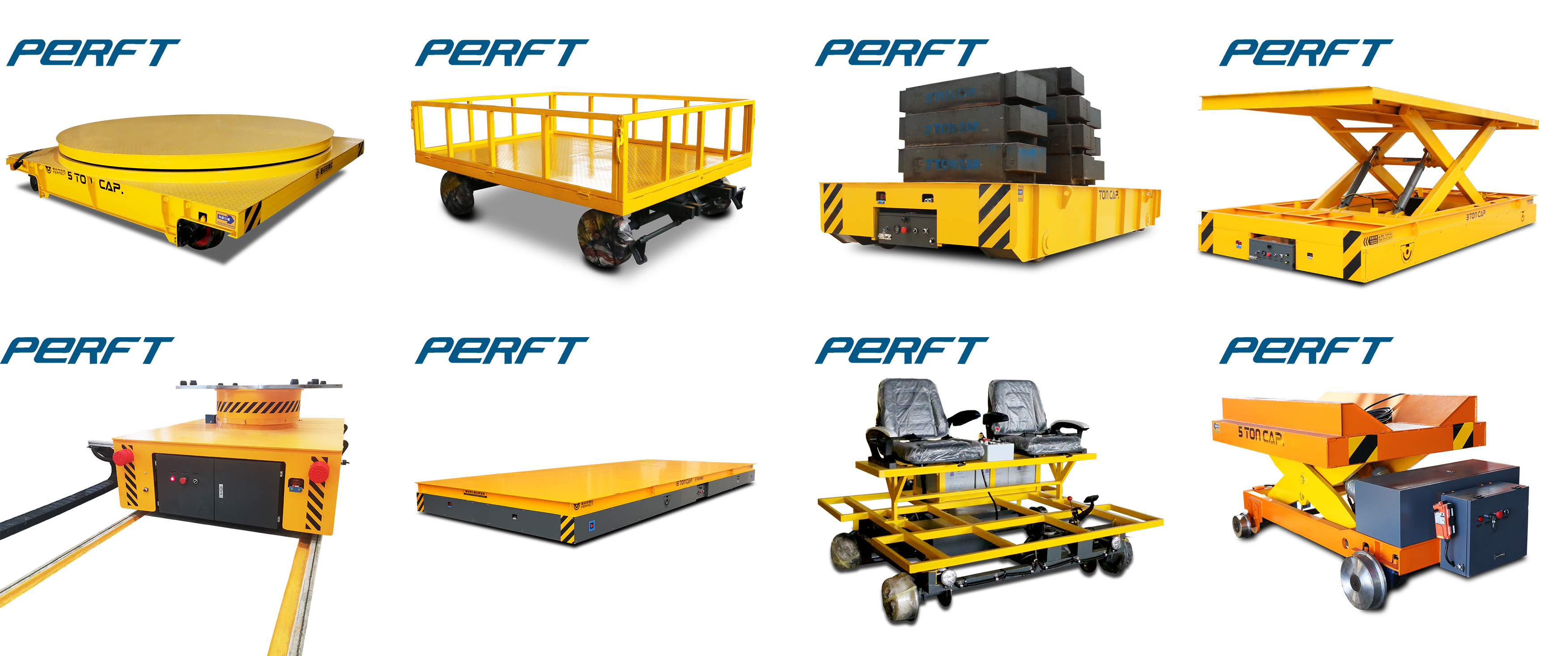
In industries like steel mills, foundries, and heavy machinery manufacturing, safely moving heavy objects—such as steel coils, molds, or billets—within the work area is a huge challenge. While trackless transfer carts are more flexible, rail transfer carts are irreplaceable when it comes to fixed routes and ultra-heavy loads.
Facing different types like Battery Powered (KPX), Low Voltage Rail Powered (KPD), and Cable Reel Powered (KPJ), how do you choose the right one? This guide will help you select the correct model based on real industrial conditions.
Choosing the wrong model leads to low efficiency and safety hazards. If the following four situations occur, please choose a rail transfer cart directly:
Heavy Load
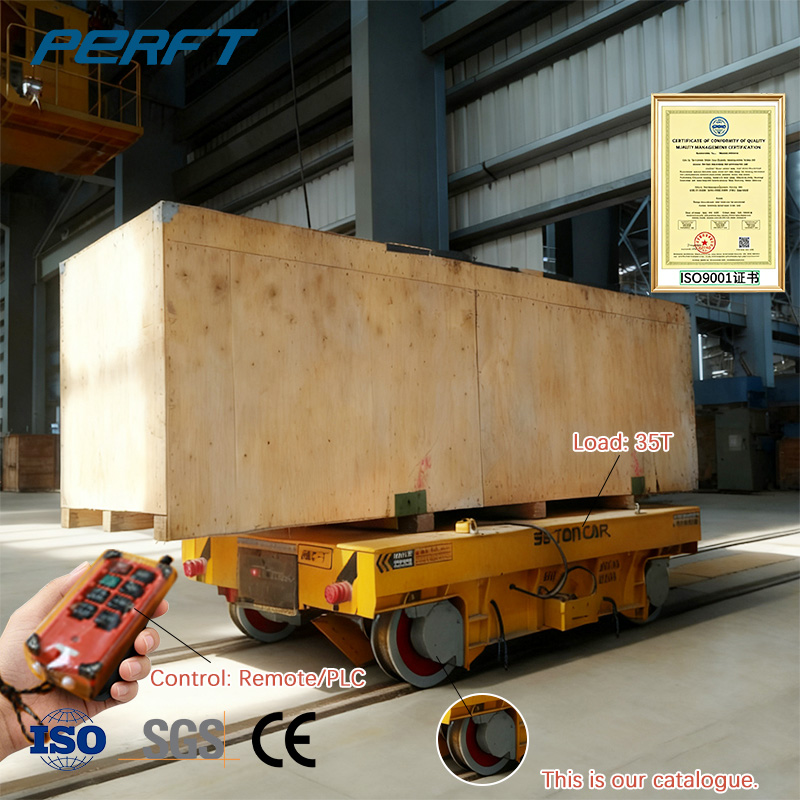
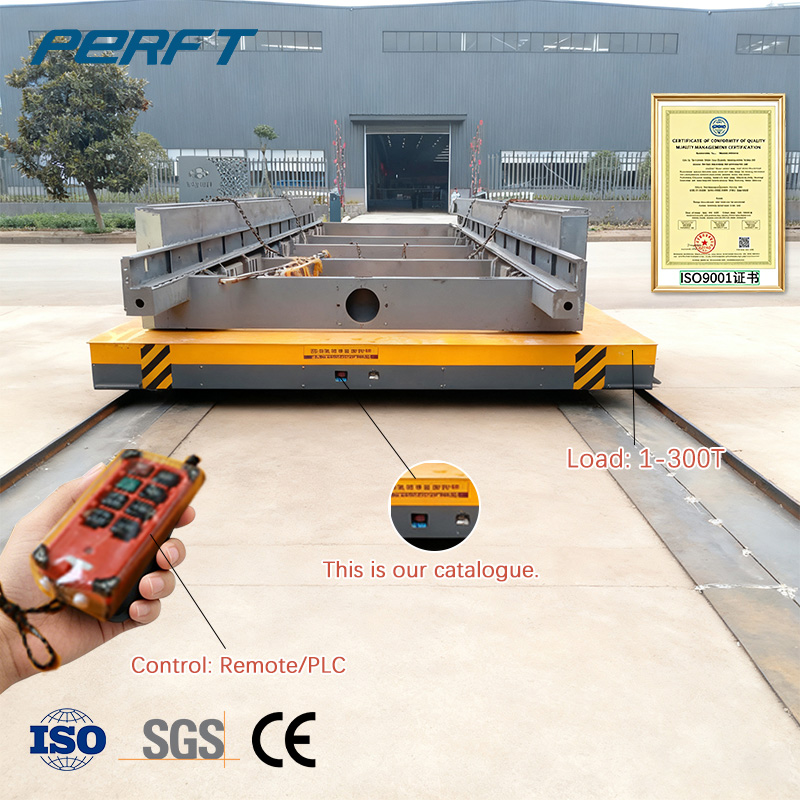
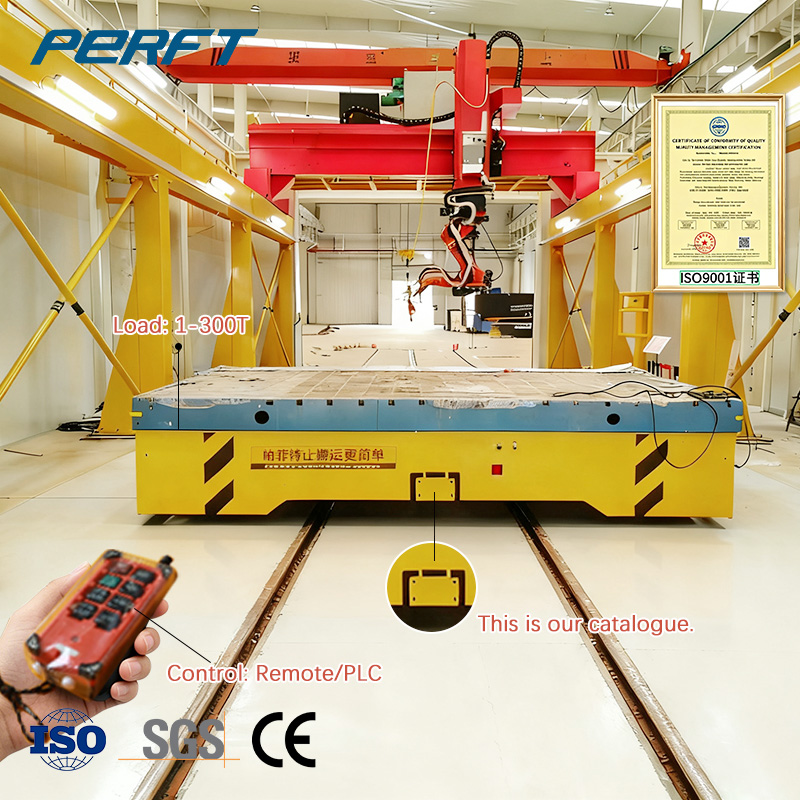
When the cargo exceeds 100 tons, the chassis and tire costs of trackless transfer carts rise sharply, and stability decreases. The rail transfer cart is the best solution for safely transferring hundreds of tons of weight.
High Temperature
In steelmaking, billet, or heat treatment workshops, the working environment temperature often exceeds 50°C. Batteries degrade rapidly and even pose risks in high heat; only KPD low-voltage rail-powered carts can run continuously for 24 hours.
24/7 Operation
If the production line runs all day, the rail cart (especially KPD powered) does not need to stop for charging or battery replacement.
Fixed Route
If the transport route remains unchanged for a long time, the rail cart is the most stable choice.
[embed]https://www.youtube.com/watch?v=TVl58j-39iI&list=PL5lX5BYhYY8WZ9ffxBo4J3JNwU8uQjNK4&index=8[/embed]
Watch this rail transfer cart operating in an industrial environment. The video demonstrates its loading capacity, rail movement, and working process.
The power supply system is the heart of the rail cart. Please choose according to your actual scenario:
Battery Powered (KPX)
Working Principle: The onboard battery supplies power to the DC traction motor without an external power source.
Core Advantage: Unlimited running distance, flexible movement, suitable for long-distance transfer.
Limitations & Maintenance: Battery lifespan is 3–5 years, requiring regular replacement and charging downtime.
Low Voltage Rail Powered (KPD)
Working Principle: The rails are connected to a 36V safety voltage, and the cart draws power via a collector and steps up the voltage for use.
Core Advantage: No exposed cables, supports 24-hour continuous operation, fearless of high temperatures, extremely safe.
Limitations & Maintenance: Rails require insulation treatment, construction cost is high, and it is not suitable for open-air waterlogged environments.
Cable Reel Powered (KPJ)
Working Principle: Automatic retraction and release of 380V AC power cable through a tail magnetic hysteresis coupling reel.
Core Advantage: Simple structure, low initial investment, suitable for medium and long-distance fixed routes.
Limitations & Maintenance: Running distance is usually not more than 200 meters, and cables wear out easily on complex roads.
Choosing the right type of rail transfer cart saves you money and improves productivity.
Do not just look at the purchase price; look at the 3-year Total Cost of Ownership (TCO). Many customers try to save a few thousand dollars upfront by choosing the wrong model, only to lose much more on maintenance later.
|
Power Type |
Initial Cost |
3-Year Maintenance |
Best For |
Investment Advice |
|
KPD (Low Voltage) |
High (needs insulated rails) |
Extremely Low (almost zero) |
Steel mills, 24/7 operation |
Cheapest long-term. High initial cost, but lasts 10 years. Annual amortized cost is the lowest. |
|
KPX (Battery) |
Medium |
Medium (battery replacement) |
Flexible routes, normal temp |
Middle ground. Note: Batteries last 3–5 years; expect a few thousand USD in replacement costs. |
|
KPJ (Cable Reel) |
Low |
Medium-High (cable wear) |
Short distance, tight budget |
Cheapest short-term. But if running back and forth daily, cables wear out fast and may need replacement next year. |
Before asking for a quote, please prepare the following parameters to avoid repeated plan revisions:
Load Capacity: Please reserve a 20% safety margin. For example, for moving 100 tons of goods, the design load should be 120 tons.
Rail Gauge: The center distance between the two rails. This is the most critical dimension of the rail cart; measurement errors will result in the entire cart being unable to be installed.
Table Design: Steel coils require a V-frame, molds require a flat deck with anti-slip holes, and castings require guardrails.
Running Speed: Determined according to production efficiency requirements. Heavy-duty carts should not be too fast, generally 0–20 m/min.
Before asking for a quote, please prepare the following parameters to avoid repeated plan revisions:
Load Capacity: Please reserve a 20% safety margin. For example, for moving 100 tons of goods, the design load should be 120 tons.
Rail Gauge: The center distance between the two rails. This is the most critical dimension of the rail cart; measurement errors will result in the entire cart being unable to be installed.
Table Design: Steel coils require a V-frame, molds require a flat deck with anti-slip holes, and castings require guardrails.
Running Speed: Determined according to production efficiency requirements. Heavy-duty carts should not be too fast, generally 0–20 m/min.
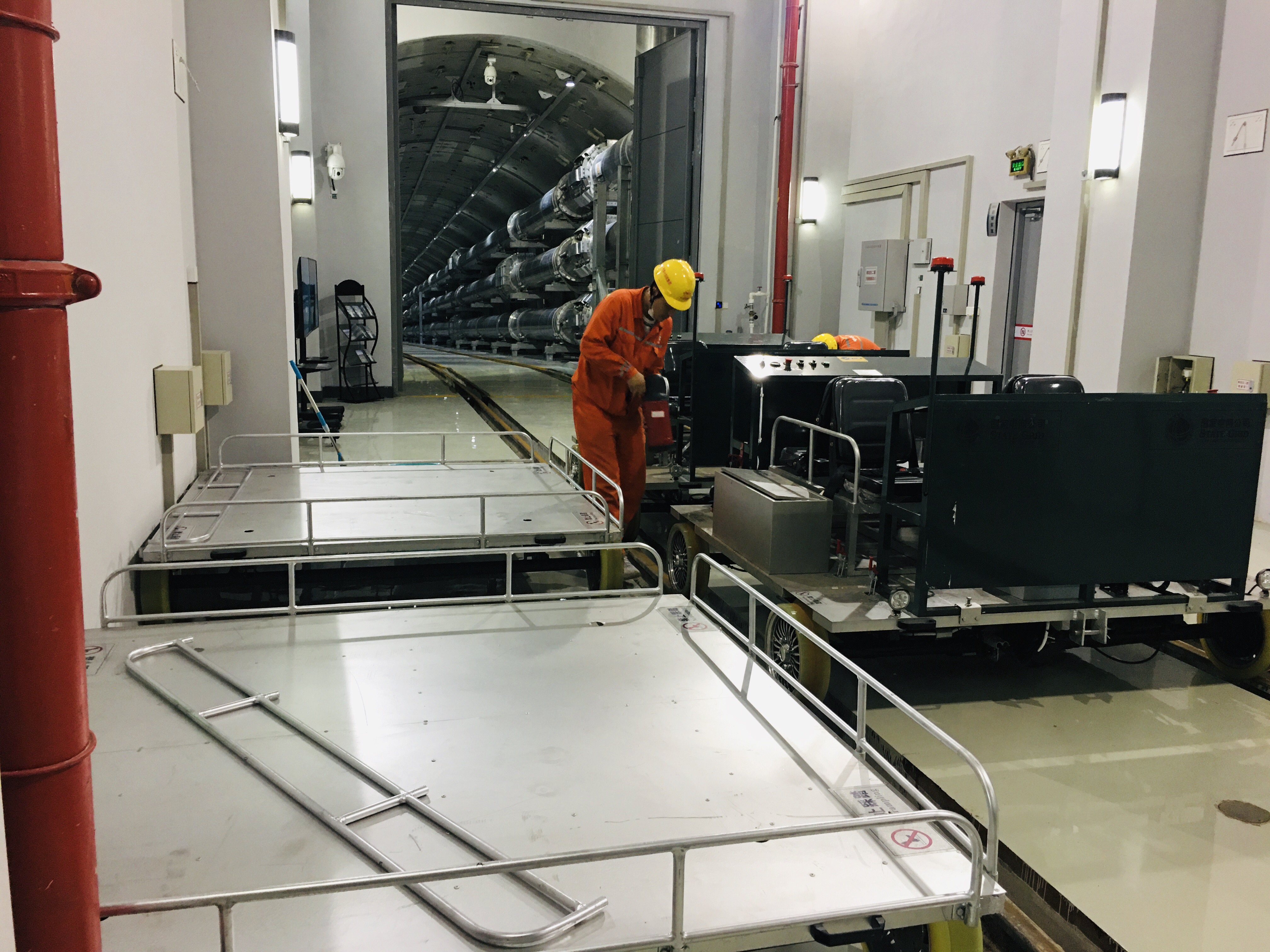
A rail cart is not just about buying a machine; it is an investment in ground infrastructure.
Foundation: For rail carts over 100 tons, the ground must be a reinforced concrete foundation. Ordinary cement floors cannot withstand concentrated wheel pressure and will crack and collapse.
Rails: You must use heavy-duty rails (such as QU70, QU80). It is strictly forbidden to use light rails or railway rails, otherwise, the rail joints will break extremely easily.
Control Cabinet: If used in a steel mill or foundry, the control cabinet must be equipped with heat insulation or air conditioning. Ordinary control cabinets will age and burn out rapidly in high temperatures.
The shape of the goods determines the structural difference of the body:
Steel Mills / Foundries: Adopt KPD power supply, motors and cables need heat-resistant treatment, and the table is equipped with ceramic fiber insulation boards.
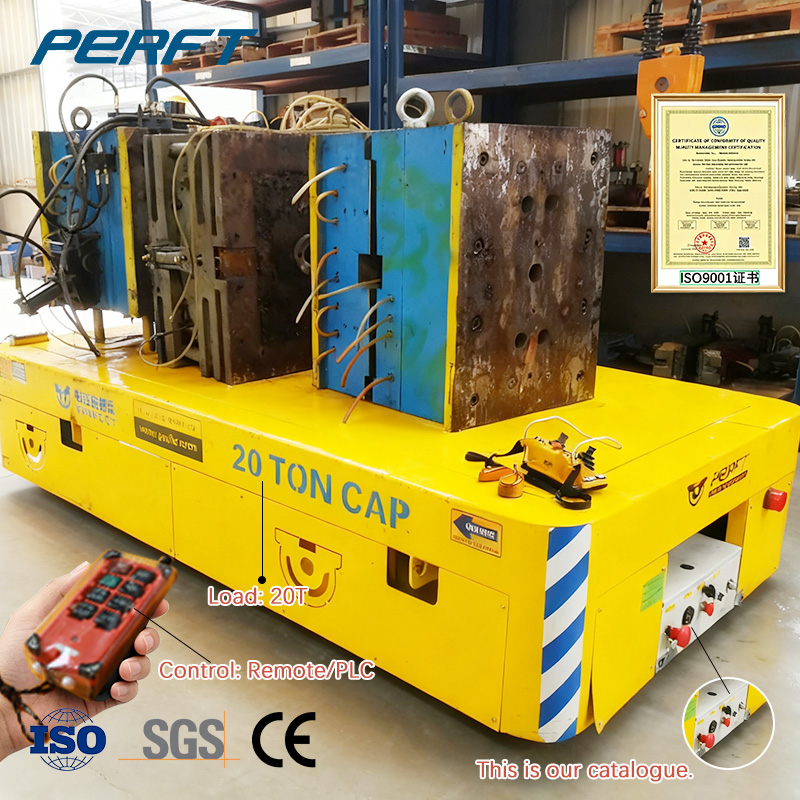
Mold Shops: Adopt a flat deck, drill anti-slip holes on the table, and add removable guardrails around to prevent mold slippage.
Coil Handling: The table needs a custom V-frame, and the contact surface is pasted with polyurethane pads to prevent the surface of the steel coil from being scratched.
Please feel free to give your inquiry in the form below .We will reply you in 24 hours .
Before placing an order, please confirm that the contract contains the following terms to protect your rights:
Warranty Period: Motor and gearbox warranty not less than 12 months.
Heat Resistance Commitment: If used in high-temperature areas, the temperature tolerance must be stated in writing.
Drawing Confirmation: Before the cart is manufactured, the final drawings must be signed and confirmed by both parties.
Packaging and Transportation: For export, closed wooden crate packaging must be used, waterproof and rust-proof.
Remote Guidance: The supplier should provide free remote installation and debugging guidance.
Q: Can a rail cart climb slopes?
A: Standard rail carts are only suitable for level ground. If climbing slopes (≤3°) is required, a custom rack-and-pinion drive system is needed, which increases the cost.
Q: What is the production lead time?
A: Standard models take about 25 days. For heavy-duty (>100T), high-temperature, or explosion-proof custom models, the cycle is about 35–45 days.
Q: Will the cart roll away if power fails?
A: No. Rail carts are equipped with an electromagnetic braking system. The brakes lock instantly the moment power is cut off, and the cart will not roll away.
Q: Do you provide installation support?
A: We provide drawings and remote video guidance. If needed, we can also dispatch engineers abroad.
[embed]https://www.youtube.com/watch?v=TVl58j-39iI&list=PL5lX5BYhYY8WZ9ffxBo4J3JNwU8uQjNK4&index=8[/embed]