
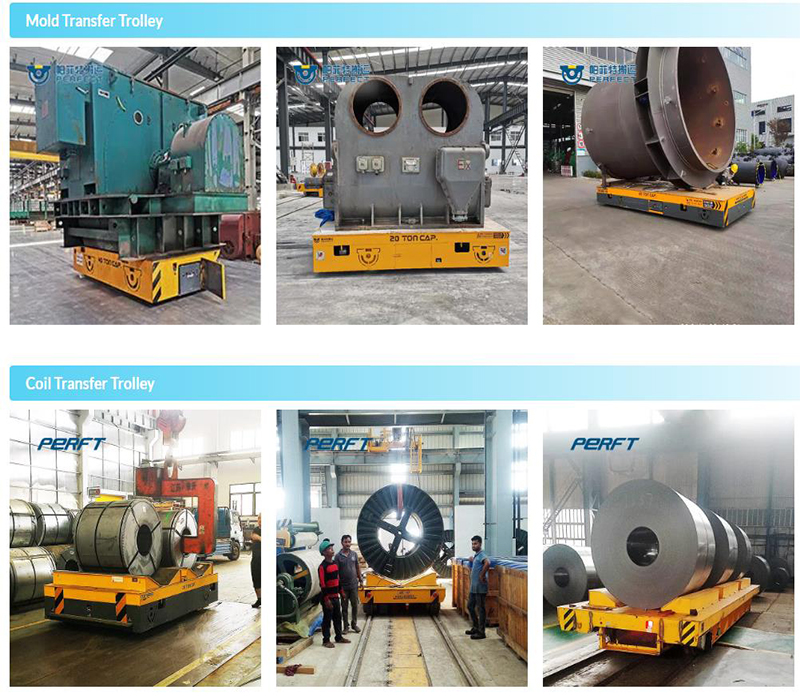
In heavy duty material handling, both rail transfer carts and trackless transfer carts play important roles.But when it comes time to confirm the right choice, many factories stall at the same question:
“Should I lay rails — or simply use a trackless cart?”
The answer is never about which model is more advanced.
It is about which transfer cart better fits your workshop — your load, your routes, your floor conditions, and whether your operation runs in high temperature environments.
This comparison guide is here as a practical reference to help you select the most suitable transfer cart for your site.
When moving tens or hundreds of tons, what matters is never “which cart looks better,” but whether your production line can run safely, steadily, and efficiently for years.Both rail transfer carts and trackless transfer carts can carry heavy loads.
Yet once load, route, and floor conditions change in real operation, their performance begins to diverge.That is why “rail or trackless” is not a minor detail — it is the first true branching point in any responsible selection.
For loads under 50 tons, a trackless transfer cart is often the more worry free choice — flexible in movement, easy to reposition, and requiring no rail laying.
Once the load exceeds 100 tons, the chassis and polyurethane wheels of a trackless cart must be substantially reinforced; yet over reinforcement can make stability harder to guarantee and drives cost upward noticeably.
A rail transfer cart spreads that weight evenly across steel rails, running steady and proving dependable over years of use.
Experience line: Above 100 tons, the rail transfer cart is not “more advanced” — it is the only steady, reliable choice.
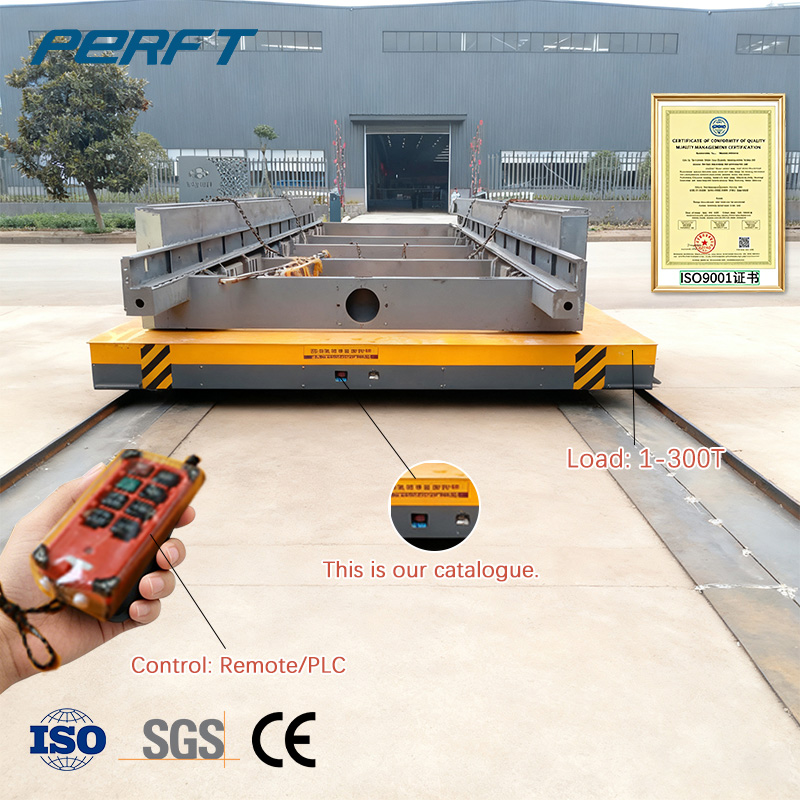
If your material flow follows fixed point to point lines — or a long unchanged loop — a rail transfer cart is the steadier choice: no drifting, no repeated tuning of turning radius, more reliable in narrow aisles.
If the transfer cart must serve multiple work points, cross different zones, or adjust its path as the workshop evolves, a trackless transfer cart is more suitable — requiring no rail relocation, no repeated civil work, following your production rather than forcing it to fit the track.
When layouts change often, the trackless transfer cart earns its place.
Rail transfer carts ask for a reinforced concrete foundation and properly graded heavy duty rails such as QU70 or QU80.
Wheel pressure is low, but the upfront civil investment is real.
Trackless transfer carts run on prepared epoxy or concrete floors without cutting into the slab — making them the default, more suitable choice for finished floor workshops or second floor production lines.
If the floor must not be disturbed in any way, the trackless transfer cart is the only solution.
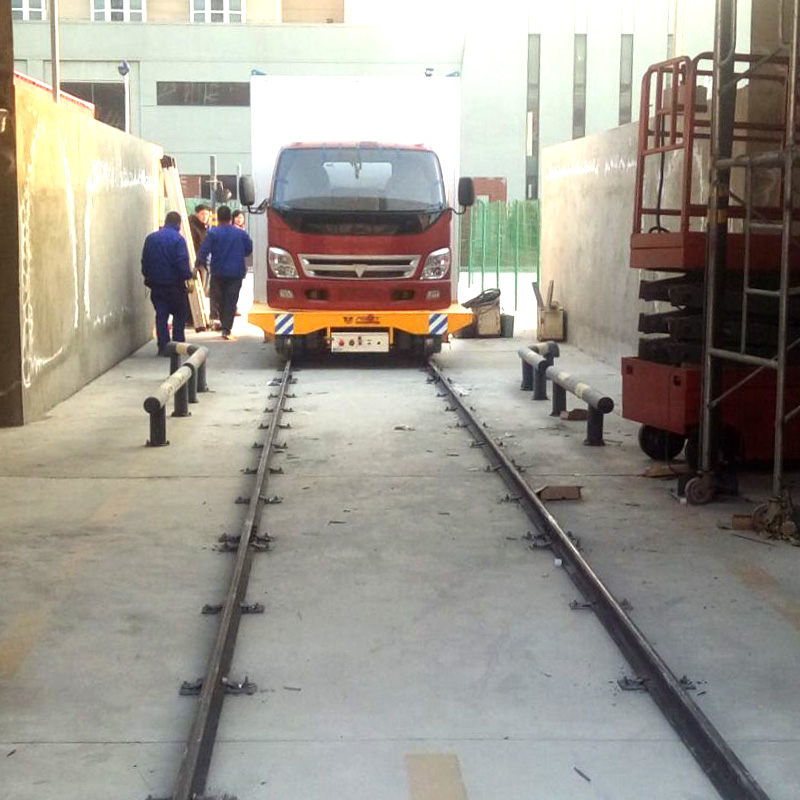
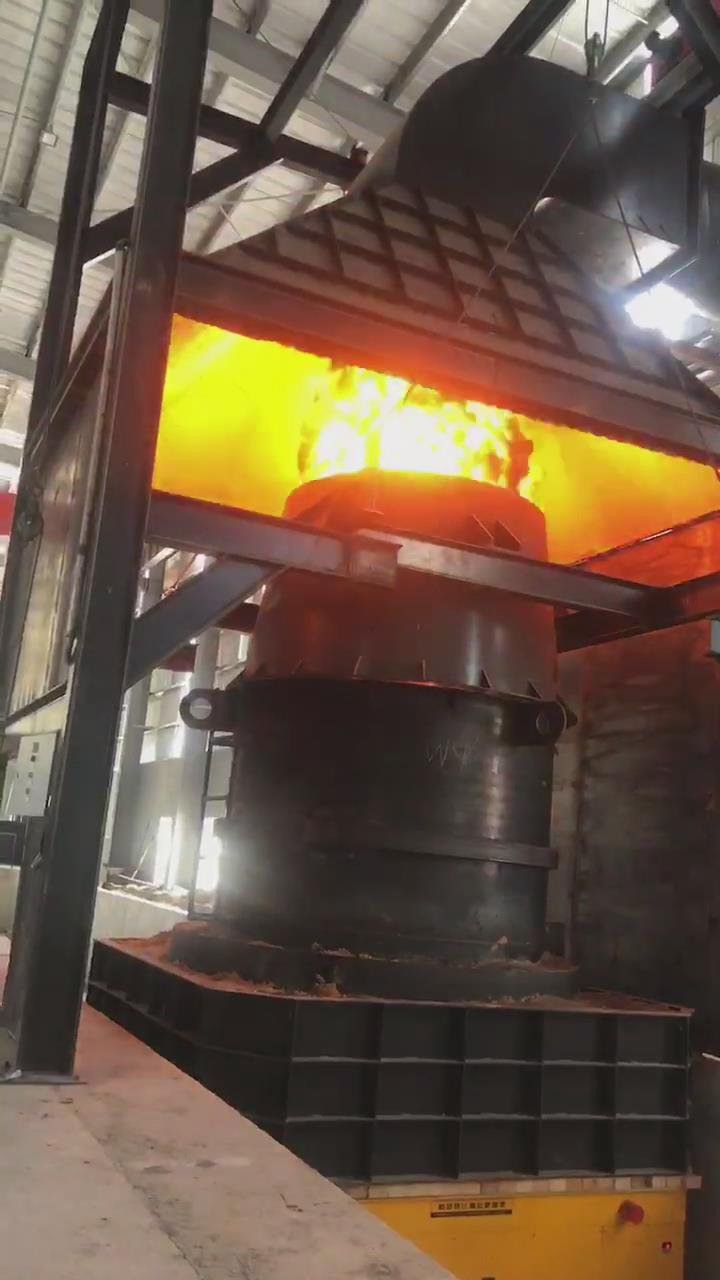
In steel mills, foundries, and heat treatment lines where ambient temperature stays above 50°C, batteries degrade quickly and charging downtime becomes a operational risk.
A BDG low voltage rail transfer cart draws steady power from the rails, running 24/7 without relying on batteries, and remains the most reliable option in sustained high heat.
When high temperature never lets up, “rail or trackless” is no longer a debate — only rail will do.
|
Aspect |
Rail Transfer Cart |
Trackless Transfer Cart |
|
Initial Investment |
Higher (including rails) |
Medium |
|
3 Year Maintenance |
Extremely low (basically maintenance free) |
Medium (battery, wheels) |
|
Suitable Service Life |
10 years and beyond |
5–8 years |
|
When More Cost Effective |
Heavy load + fixed route + high temperature |
Medium low load + changing routes |
Choosing a transfer cart should not be based only on the quoted price, but on what it will truly cost in your workshop.
A BDG rail transfer cart may not be the lowest cost purchase, but over ten years it is often the quietest, most economical choice for heavy duty operations.
≥100 tons → Rail transfer cart
High temperature + 24/7 → Rail transfer cart (BDG)
Frequently changing routes / no rail laying allowed → Trackless transfer cart
≤50 tons + flexible production → Trackless transfer cart
50–100 tons → Decide by floor condition and route
Answering these questions tells you which cart “fits” — not which is more advanced, only the one closer to your reality.
Q: Can a trackless transfer cart run on existing crane rails?
A: No. Crane rails are designed for vertical lifting and cannot support the laterally stable, concentrated wheel pressure of a transfer cart.
Q: Will a rail transfer cart crack epoxy floors?
A: No — the load is dispersed through the rails; however, the foundation beneath must be qualified reinforced concrete, or the issue lies in the foundation, not the cart.
Q: Is laying rails for a 100 ton rail transfer cart expensive?
A: It is a one time investment rather than an annual expense; spread over ten years, it is often more economical than frequent replacement of trackless tires.
Q: Are batteries truly unreliable in high temperature workshops?
A: For trackless transfer carts, yes — battery life shortens quickly unless heavily over specified. A BDG rail transfer cart avoids this issue at its root.
A rail transfer cart is not more powerful, nor is a trackless transfer cart a compromise — they simply suit different workshops.
Send us your workshop layout drawing and load conditions, and we will not recommend the most expensive option, but the transfer cart that can run steadily and safely in your actual site.
Related Products:
– Rail Transfer Cart
– Trackless Transfer Cart
– Battery Transfer Cart